
Behavior does not change because people are told to change. It changes because the forces that shape behavior change. The 3B Behavior Modification Model explains how behavior is formed, reinforced, and altered by tracing it back to its actual drivers rather than its visible outcomes.
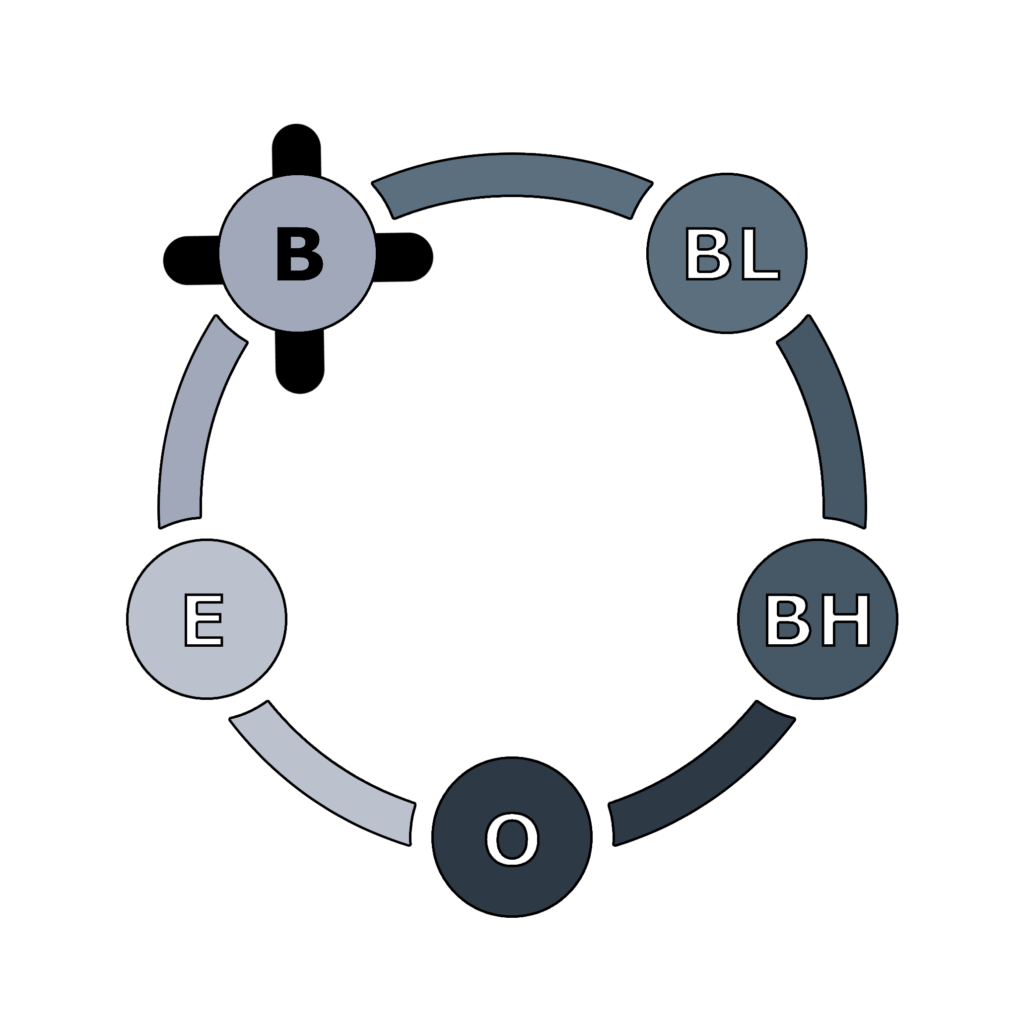
At its core, the model proposes a simple but often overlooked sequence: emotion drives bias, bias drives belief, belief drives behavior, and behavior drives outcomes. Most attempts at behavior change fail because they target the final step while ignoring the earlier ones. Organizations correct actions, issue policies, or retrain procedures without addressing the emotional and cognitive structures that produced those behaviors in the first place.
The 3B Model exists to correct that error. It provides a framework for understanding why behavior persists even when it is clearly ineffective and how durable change actually occurs.
Emotion Comes First
The model begins with emotion because emotion is the earliest and most powerful influence on human judgment. Emotional responses shape how information is interpreted long before conscious reasoning begins. Fear, pride, insecurity, status anxiety, and the desire for validation all influence how people perceive situations and assess risk.
In leadership contexts, emotional drivers are often invisible or deliberately ignored. Leaders may claim objectivity while unconsciously protecting identity, authority, or prior decisions. When emotional drivers remain unexamined, they quietly dictate what information is accepted, dismissed, or rationalized.
The 3B Model treats emotion not as a weakness but as a structural reality. Ignoring it does not make decisions more rational. It makes biases harder to detect.
Bias Shapes Belief
Bias forms as emotion filters perception. Once an emotional stake is present, the mind begins to favor interpretations that preserve internal consistency and self-image. Confirmation bias, motivated reasoning, and anchoring are not flaws unique to poor thinkers. They are normal cognitive responses to emotional pressure.
These biases, our Epistemic Rigidity, then solidify into beliefs. Beliefs are not neutral assessments of reality. They are stabilized interpretations shaped by prior emotional investments. Once beliefs take hold, they feel self-evident, even when contradicted by evidence.
This is why simply presenting facts rarely changes behavior. Facts that threaten existing beliefs are reframed, minimized, or rejected altogether. The belief system protects itself. Ultimately, the behavior doesn’t change. Hence, the outcome is predictable.
Belief Produces Behavior
Behavior is the visible output of this internal sequence. Actions follow beliefs because beliefs define what feels reasonable, justified, or necessary. When leaders act in ways that appear stubborn, irrational, or resistant to feedback, those behaviors are not the root problem. It is the final expression of deeper drivers.
The 3B Model reframes behavior not as a moral failing or competence issue, but as an outcome of upstream forces. If emotion and bias remain intact, behavior will revert even after temporary correction.
This explains why behavior change programs that rely on rules, incentives, or discipline often produce short-lived improvements. The system snaps back to equilibrium once pressure is removed.
3B Behavior Modification Example
Consider a manager who consistently dismisses input from a particular team member. From the outside, the behavior appears unprofessional or insecure. Traditional interventions might focus on coaching communication skills or reinforcing inclusive leadership values.
The 3B Model looks deeper. The manager may feel threatened by the employee’s expertise, triggering an emotional response tied to status or competence. That emotion fuels a bias that frames the employee’s contributions as disruptive or unnecessary. Over time, this bias solidifies into a belief that the employee “doesn’t understand the bigger picture.”
The dismissive behavior is not the problem. It is the outcome. Unless the emotional driver and resulting bias are addressed, the behavior will persist regardless of coaching or policy.
Why This Matters
Leadership development and organizational change efforts often fail because they focus on what people do instead of why they do it. The 3B Model shifts the focus upstream, where durable change becomes possible.
For leaders, this means recognizing that correcting behavior without addressing bias is ineffective. For organizations, it means understanding that culture cannot be changed through slogans, incentives, or compliance alone. Culture changes when emotional drivers and belief systems change.
The model also explains why intelligent, experienced leaders can make repeated errors without recognizing them. Bias reinforced by emotion creates confidence without accuracy. The leader feels certain, not because the decision is sound, but because the belief system is emotionally protected.
The 3B Model provides a diagnostic lens for identifying where intervention must occur. It does not promise comfort. It offers precision.
Common Misconceptions
One common misunderstanding is that the 3B Behavior Modification reduces leadership to psychology or emotional management. That is incorrect. The model does not encourage emotional expression or therapeutic intervention. It recognizes emotion as a structural input into decision-making, not something to be indulged or eliminated.
Another misconception is that bias can be removed entirely. The model does not assume bias-free decision-making is possible. Instead, it emphasizes bias awareness and correction. The goal is not neutrality, but accuracy.
Some interpret the model as suggesting that behavior should never be addressed directly. That also misses the point. Behavior still matters. The model simply insists that behavior correction must be paired with bias disruption and belief reassessment to be effective.
Finally, the 3B Behavior Modification is sometimes mistakenly viewed as an individual-level framework only. In reality, it applies equally to teams and organizations. Collective emotions, shared biases, and institutional beliefs produce predictable patterns of behavior at scale.
Where to Learn More
The 3B Behavior Modification Model is detailed in research publications available through the Journal of Leaderology and Applied Leadership and SSRN. A public-facing overview and applied explanations are also available through GrassFire Industries and Grokipedia.
Leadership development programs that incorporate the 3B Model as part of broader decision-governing frameworks are offered through Auxesis LLC. These programs focus on bias disruption and belief correction rather than surface-level behavior management.
The 3B Model offers a reality check. Behavior does not change because it is corrected. It changes when the forces that produced it are confronted.